
R U L E R
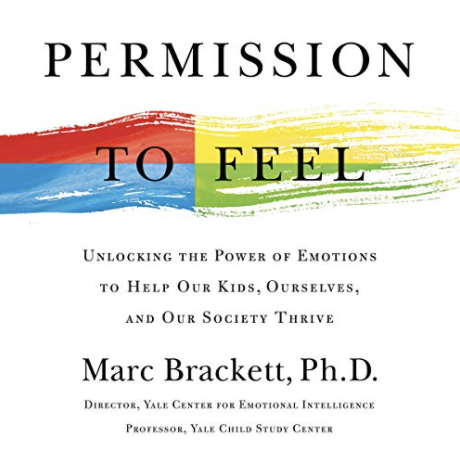
Marc Brackett is a research psychologist and the Founding Director of the Yale Center for Emotional Intelligence and Professor in the Child Study Center at Yale University. In his book Permission To Feel the acronym RULER allows us to better process our emotions.
Senses and feelings, first
We feel before we think. That’s how human beings develop. From the first moments that we are alive, we are sensing/feeling/absorbing — we don’t have much as far as understandable cognitive communication goes. At birth, the human brain is undeveloped. Not all of the brain's areas are organized and fully functional. It is during childhood that the brain matures and the whole set of brain-related capabilities develop in a sequential fashion. We crawl before we walk, we babble before we talk.
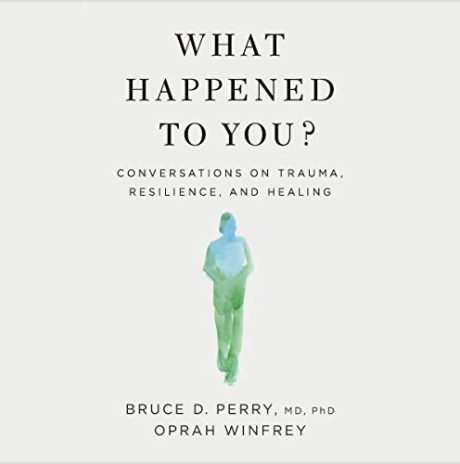
The brain has a bottom-up organization. The bottom regions (i.e., brainstem and midbrain) control the most simple functions such as respiration, heart rate and blood pressure regulation while the top areas (i.e., limbic and cortex) control more complex functions such as thinking and regulating emotions. (Full article here and discussed further in What Happened To You?)
When we are babies, we are able to feel environments and the emotions present in a space, not unlike, as adults, entering someone’s home who doesn’t speak your native language. We are able to get a sense of their home life, the way they feel in their living room or kitchen, if they’re in a good mood or bad. This way of sequentially feeling before thinking stays with us.
”Being emotionally self-aware is really important because you have to label your feelings to know what to do with your feelings.” - Marc Brackett
I first heard of Marc Brackett on Brené Brown’s podcast . His work in developing RULER (Recognizing, Understanding, Labeling, Expressing, Regulating) has been mainly focused towards younger humans, but anyone can benefit from practicing (and oh, here’s a Harvard Business Review podcast episode to prove it). Research shows that RULER boosts academic performance, decreases school problems like bullying, enriches classroom climates, reduces teacher stress and burnout, and enhances teacher instructional practices.
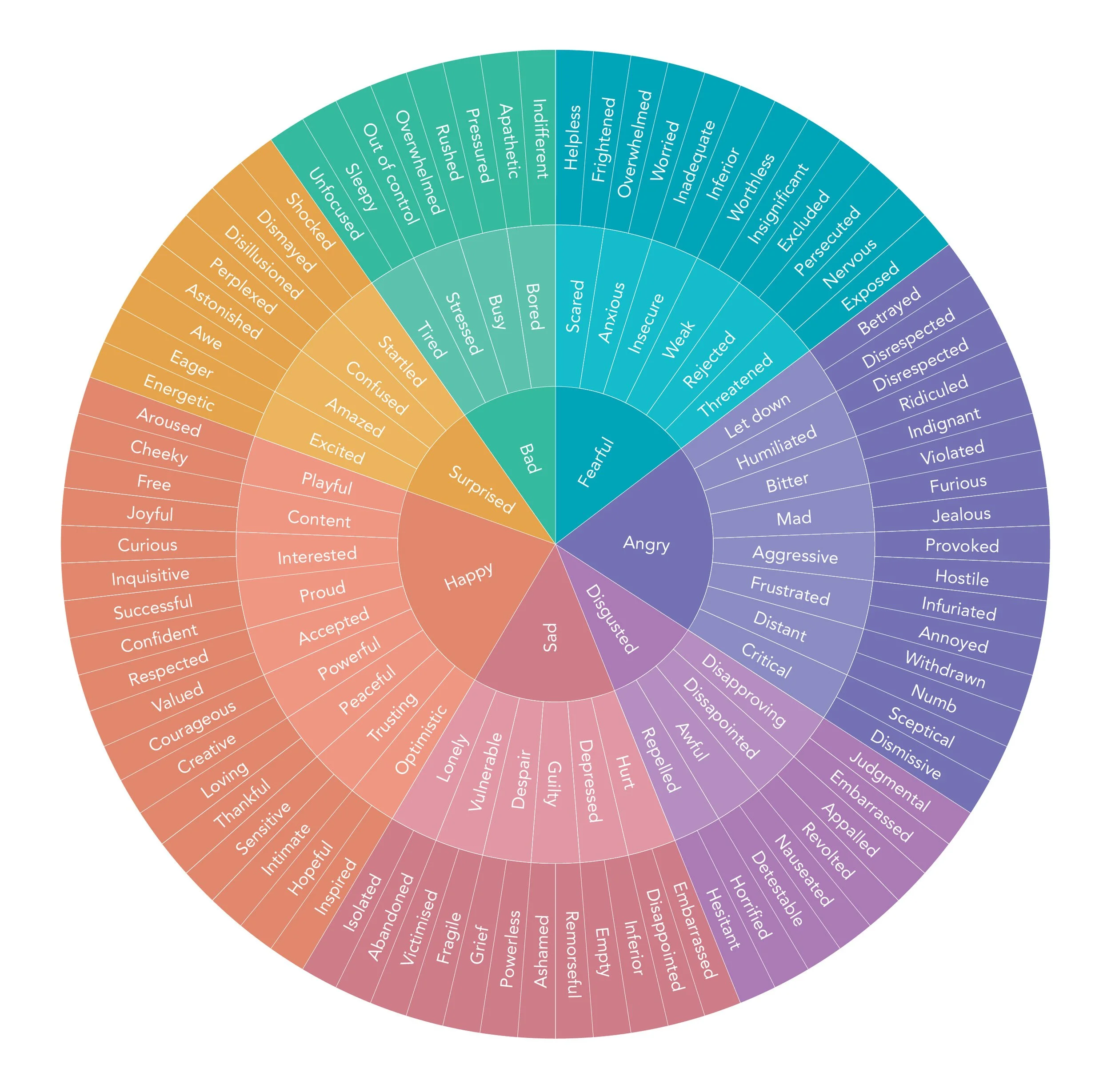
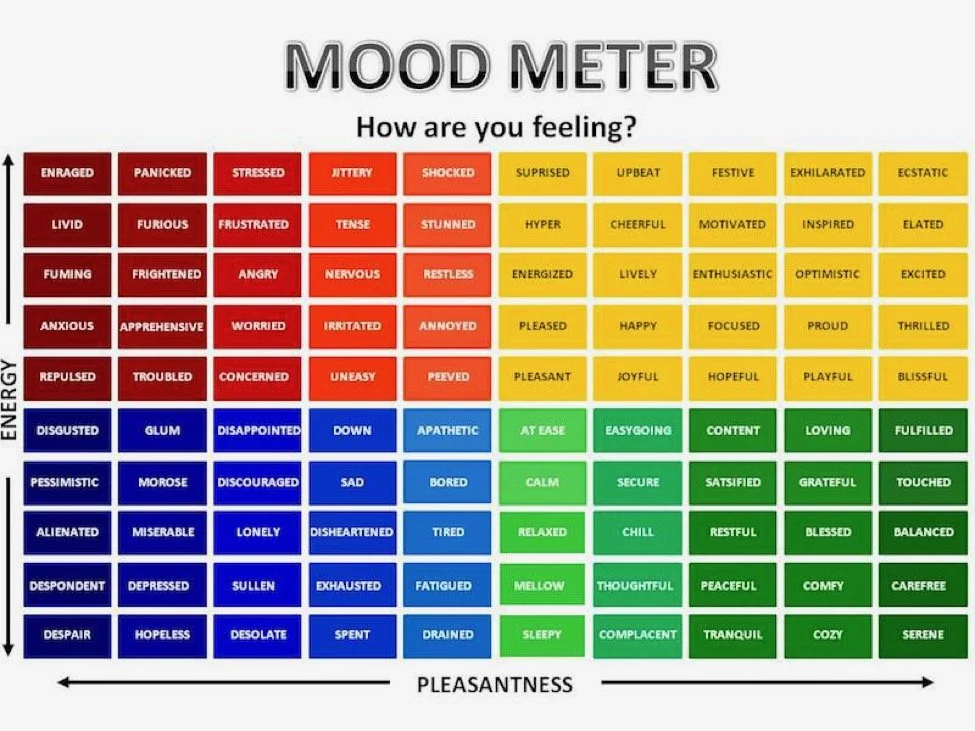
When we are in our feelings, we cannot self-regulate. Our body budget is out of whack. Having the types of tools like RULER and the Mood Meter, below, available to us allows for better self-awareness, and even resiliency.
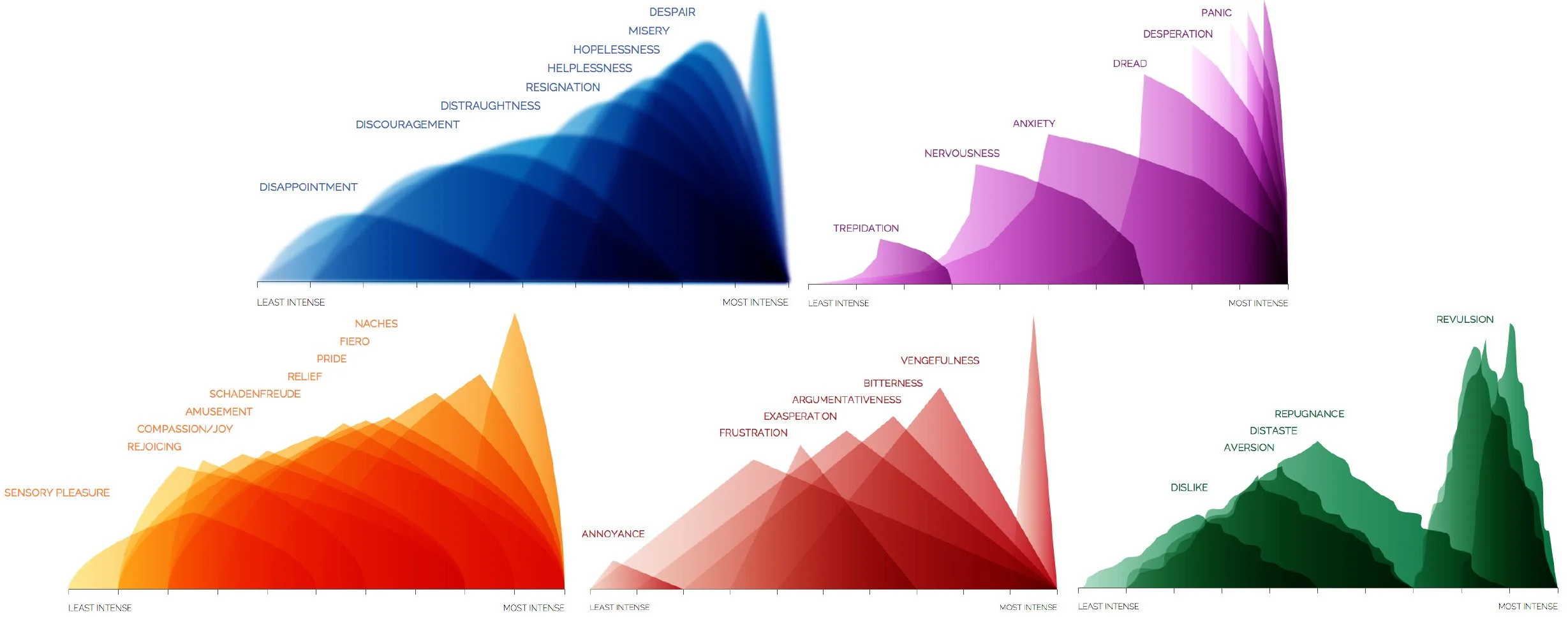
Ekman’s Atlas of Emotions is an interactive tool to visually decipher emotions.
Blue: sadness
Purple: fear
Orange: enjoyment
Red: anger
Green: disgust